- 5.0powered by
- (647) 877 5977
- contactus@fromdarktolight.ca

How Road Salt, Slush, and Calcium Chloride Destroy GTA Carpets (And How to Lift Them)
Why Regular Vacuuming Isn’t Enough for Pet Stains & Odours (and How Enzymes Fix It)
September 16, 2026
5 Upholstery Care Myths Busted: How to Protect Your Sofa & Extend Its Life
October 6, 2026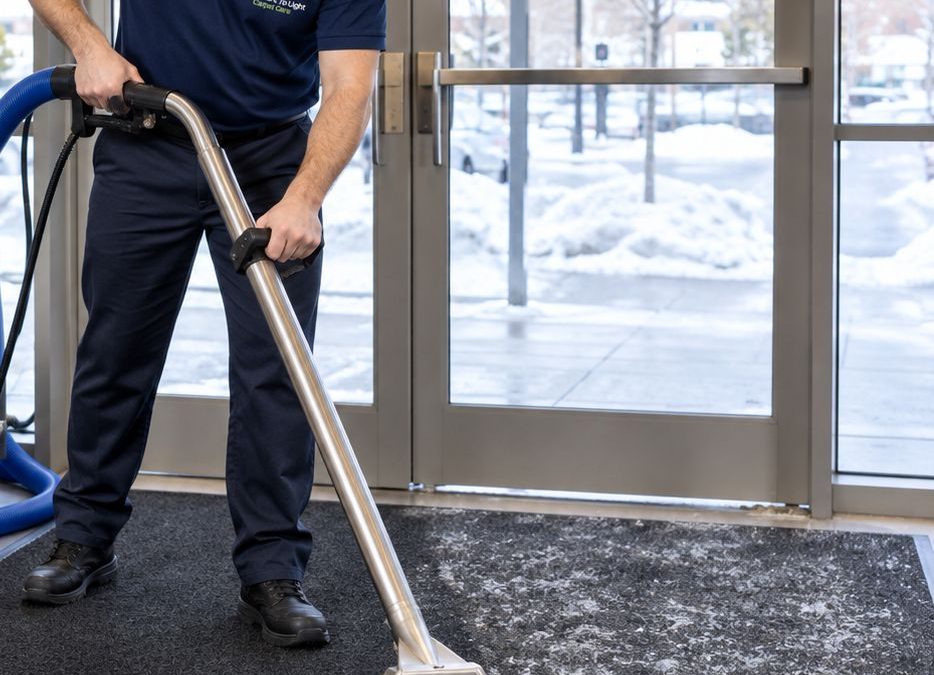
Every winter in the Greater Toronto Area, municipal crews scatter thousands of tonnes of rock salt, calcium chloride, and magnesium chloride across roads and sidewalks. While this keeps walkways safe from ice, it creates an ongoing battle for homeowners, condo boards, and business owners.
By mid-January, almost every entryway in Toronto, Mississauga, and Etobicoke develops the same eyesore: crusty, chalky white rings running across carpets and runner mats.
Trying to scrub these stains out with standard household carpet cleaners or hot water often makes the problem worse. Here is the chemistry behind why winter road salt binds to carpet fibers, the mistakes to avoid, and how professional extraction neutralizes the damage.
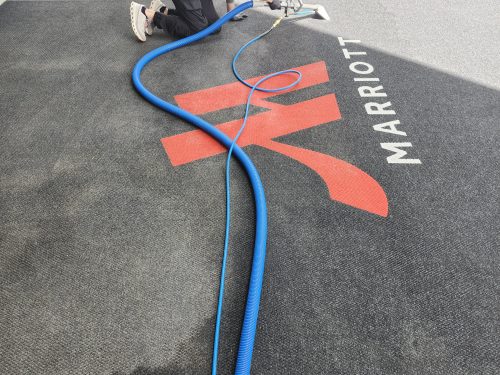
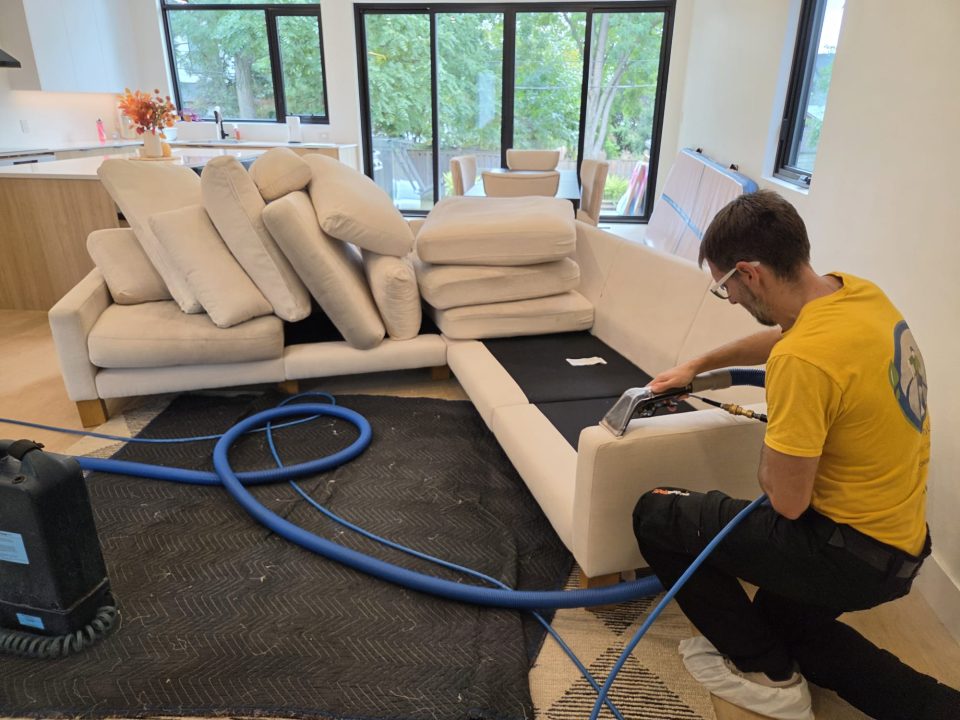
Nik is working on melting salt removal on a entrance mat at Marriott Hotel
Why Road Salt Isn’t Just “Regular Dirt”
Standard dirt and dust are insoluble particulates—they sit loosely between carpet fibers and come up easily with a quality vacuum cleaner. Winter salt compounds act completely differently once tracked indoors.
-
The Chemical Composition: Modern ice-melt products rarely consist of pure sodium chloride (table salt). Commercial property managers and the City of Toronto heavily rely on calcium chloride and magnesium chloride because they melt ice at much lower temperatures.
-
High pH Alkaline Residue: When dissolved in snow and tracked onto carpets, these compounds dry into high-pH alkaline deposits. Over time, high alkalinity weakens carpet dyes and breaks down synthetic fibers like nylon and polyester.
-
Hydroscopic Moisture Binding: Calcium chloride is hydroscopic, meaning it draws moisture straight out of the air. Even on a dry winter day inside a heated home or condo hallway, salted carpet patches stay slightly damp, attracting fresh dirt and turning entryways into black, slushy mud traps.
The Common Mistake: Why Hot Water Alone Makes Salt Stains Worse
When faced with white salt rings, the most common instinct is to grab a home steam cleaner or bucket of hot water and scrub. Unfortunately, applying standard water or high-pH soaps to set-in road salt causes two major problems:
-
Re-crystallization: Plain water dissolves the dried salt crystals temporarily. As the carpet dries, the dissolved salt travels up the carpet fibers to the surface (a process called wicking) and re-crystallizes, leaving the exact same white ring behind.
-
Fiber Chemical Burns: Mixing alkaline carpet detergent with high-alkaline calcium chloride creates a harsh chemical environment that can permanently alter carpet color, leaving yellowed or bleached patches behind.
The Professional Fix: Acidic Neutralization and Extraction
Lifting winter salt requires balancing the chemistry before extracting the liquid residue.
Step 1: Dry Soil Separation
Before applying any liquid solution, the carpet must be vacuumed thoroughly using a heavy-duty commercial vacuum with a beat-bar to break up hardened salt crusts embedded deep near the backing.
Step 2: Applying a Salt Neutralizing Rinse
Because road salt is highly alkaline, it cannot be dissolved by standard soaps. Technicians use a specialized, mild acidic neutralizing agent (often formulated with acetic or hydroxyacetic acid). This reaction lowers the pH, breaking the ionic bond between the calcium chloride and the synthetic carpet fibers so the salt converts back into a soluble liquid state.
Step 3: Deep Extraction with Low-Moisture Equipment
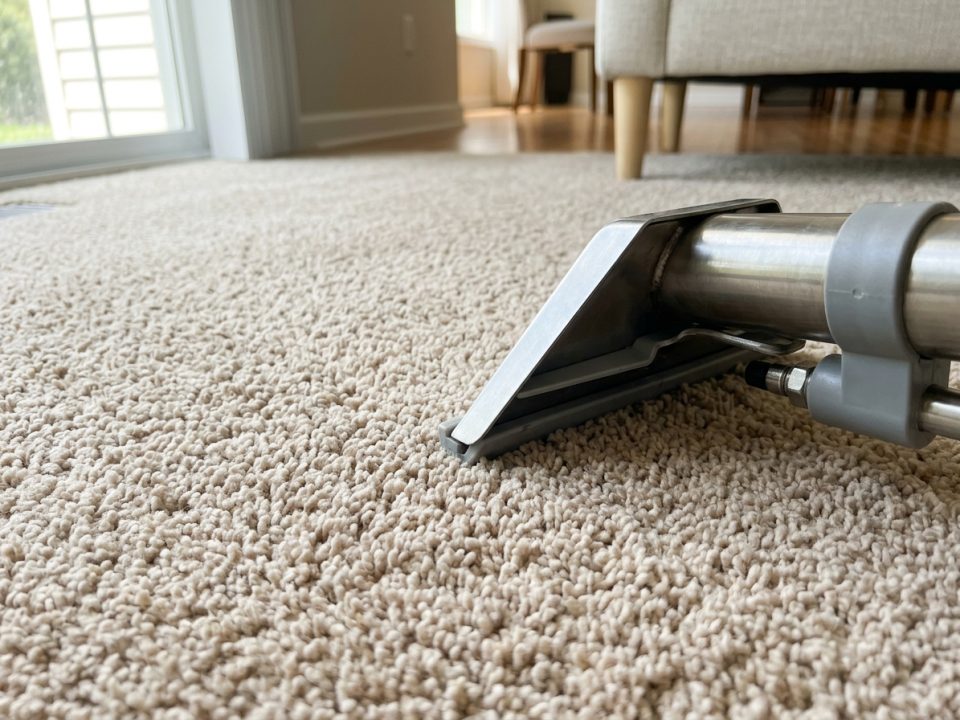
Once neutralized, the liquid salt slurry must be extracted completely from the carpet base. High-power extraction pulls out the dissolved minerals without over-saturating the carpet backing or underpad—crucial for high-traffic condo corridors where fast drying times prevent mold and traffic disruption.
3 Immediate Steps to Protect Your GTA Entryways This Winter
While heavy salt buildup requires professional extraction, you can minimize damage during peak slush season with these daily habits:
-
Use a Two-Mat System: Place a coarse, scraper-style mat directly outside the door to catch heavy slush, followed by an absorbent microfiber runner inside to capture liquid residue.
-
Spot-Treat Fresh Salt Immediately: If a white ring forms on an area rug, mix a 1:1 solution of cold water and white vinegar (a natural mild acid). Spray lightly onto the spot, let it sit for 5 minutes, and blot firm with a clean white microfiber towel. Never scrub.
-
Avoid High-Heat Drying: Do not use space heaters directly over salt-affected carpet areas, as intense dry heat sets alkaline chemical stains permanently into fibers.
Restore Your Carpets After GTA Winter Slush
Left untreated through winter, calcium chloride wears down carpet carpet fibers like sandpaper and permanently bleaches entryway flooring. A professional neutralization treatment strips away salt buildup, restores carpet softness, and protects your property’s interior investment.
Dealing with stubborn white salt rings in your home, commercial building, or condo entrance? Contact From Dark to Light Carpet & Upholstery Care at (647) 877-5977 or book your winter deep-clean online today!