- 5.0powered by
- (647) 877 5977
- contactus@fromdarktolight.ca

Why Regular Vacuuming Isn’t Enough for Pet Stains & Odours (and How Enzymes Fix It)

How to Maintain Upholstery Between Professional Cleans
August 27, 2026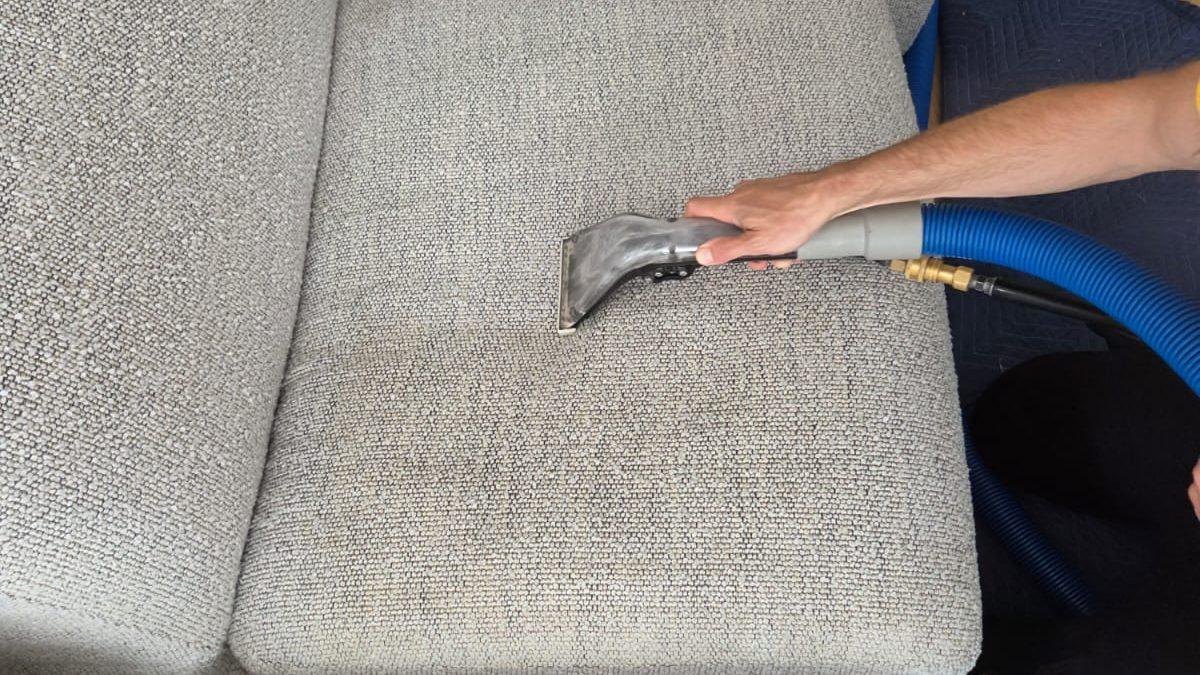
As a pet parent, accidents happen. Whether you have a new puppy undergoing house training or an older cat dealing with health issues, dealing with urine stains and lingering smells on carpets or upholstery is a common frustration for many Toronto homeowners.
Many people immediately grab a vacuum cleaner or a standard supermarket stain spray when a pet accident occurs. However, while these tools might temporarily hide the stain or mask the smell, they rarely solve the underlying problem.
Here is why standard cleaning methods fall short and how professional enzyme decontamination permanently eliminates pet odours.
The Hidden Science of Pet Urine
To understand why vacuuming and regular household cleaners fail, you have to look at what happens when pet urine dries.
Pet urine is composed of urea, proteins, and uric acid. When you wipe up a fresh spill, you remove liquid urea, but uric acid rapidly binds tightly to carpet fibers, padding, and even subfloors.
-
Why vacuums fail: Vacuuming only lifts surface dirt and dry hair; it cannot extract or neutralize liquid residue embedded in lower carpet fibers.
-
Why standard sprays fail: Typical retail cleaners use perfumes or mild detergents. They temporarily overpower the scent, but leave the uric acid crystals untouched.
-
The humidity reaction: Uric acid crystals remain dormant until humidity rises—such as on a warm summer day in Toronto or right after a steam clean—reactivating the crystals and bringing the smell right back.
Finding the Hidden Spots with UV Light
One reason pet smells persist in a home is that you often can’t see where every accident happened. A pet might mark the side of a velvet sectional or a corner of an area rug that goes unnoticed.
Professional technicians use UV (black) light inspection prior to cleaning. Pet urine fluoresces under ultraviolet light, pinpointing exact contamination zones—even old, dried spots that look completely invisible to the naked eye. Identifying every hidden spot ensures no problem area gets missed.
How Enzyme Decontamination Permanently Eliminates Odours
Instead of masking smells with artificial scents, professional enzyme decontamination addresses the problem biologically.
Enzymes are specialized proteins that break down organic waste. When applied to affected carpets or upholstery:
-
Targeted Reaction: The active enzymes break down complex uric acid crystals and organic proteins into basic, odourless elements like water and carbon dioxide.
-
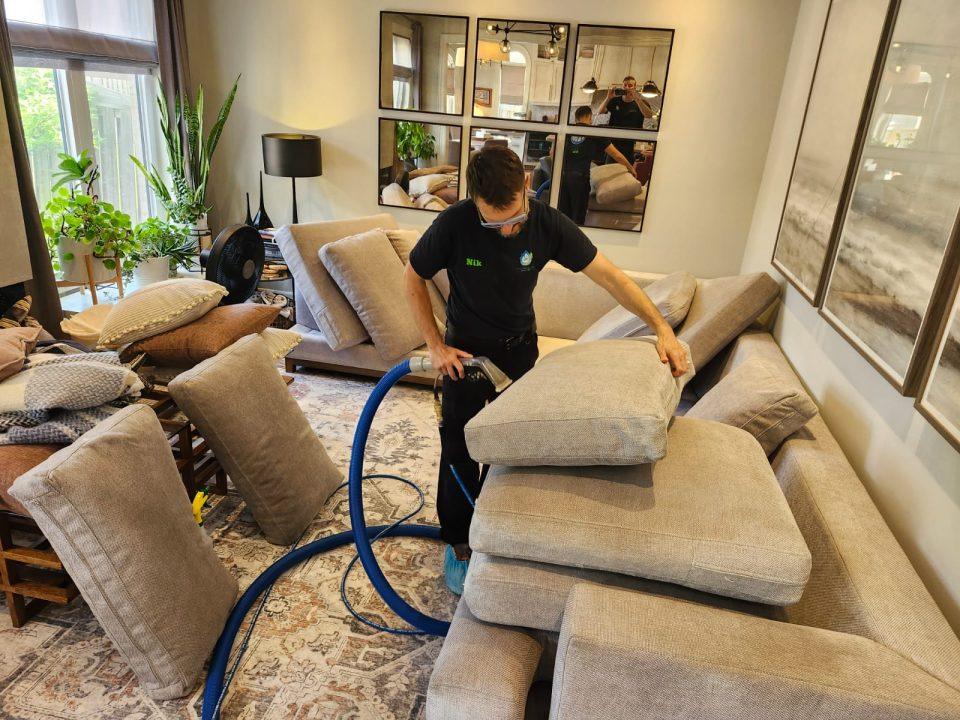
Deep Extraction: High-powered extraction equipment pulls out deep-seated liquid waste and broken-down materials from carpet padding without over-wetting.
-
Permanent Removal: Because the uric acid source is completely consumed and destroyed, the odour cannot reactivate or return later.
Pet-Safe Tips for Managing Accidents at Home
While deep decontamination requires specialized equipment, here are a few immediate steps you can take between professional cleans:
-
Blot, Don’t Rub: Always press clean paper towels firm into a fresh stain to absorb liquid. Avoid scrubbing, which forces liquid deeper into carpet padding and damages fibers.
-
Avoid Ammonia-Based Cleaners: Pet urine contains ammonia. Using ammonia-based products can actually attract pets back to the same spot to mark it again.
-
Use Non-Toxic, Eco-Friendly Solutions: Protect your pets by ensuring any spot treatments used in your home are non-toxic, pet-safe, and biodegradable.
Restoring Freshness to Your GTA Home
If lingering pet odours keep coming back despite your best efforts, standard cleaning tools aren’t the answer. Professional enzyme treatment destroys urine crystals at the source, leaving your home clean, hygienic, and pet-safe.
Ready to eliminate pet stains and odours for good? Contact From Dark to Light at (647) 877-5977 or book your treatment online today!